
"2.5 million"
500 article(s) found

Introduction to the production area of Fine Ugandan Coffee roasted degree treatment method and Flavor description
Uganda's coffee production ranks first in Africa, accounting for more than 70% of its total exports. Uganda is also the hometown and main producing area of Robes specialty coffee. In the 1960s, Ugandan coffee production remained at 3.5 million bags a year. By the mid-1980s, coffee production had dropped to 2.5 million bags a year, mainly for political reasons. But now coffee production is on the rise again, which is large at present.

Salvadoran coffee with balanced taste and fine texture introduces boutique coffee.
In the early 1990s, guerrilla warfare greatly damaged the country's national economy, reducing coffee production from 3.5 million bags in the early 1970s to 2.5 million bags in 1990-1991. The eastern part of the country was most affected by guerrilla warfare, and many farmers and workers were forced to leave the manor. The shortage of funds has led to a sharp drop in coffee production, from 1200 kg per hectare in the past to no yield per hectare today.

The origin of Salvadoran coffee. The flavor characteristics of Salvadoran coffee.
In the early 1990s, guerrilla warfare greatly damaged the country's national economy, reducing coffee production from 3.5 million bags in the early 1970s to 2.5 million bags in 1990-1991. The eastern part of the country was most affected by guerrilla warfare, and many farmers and workers were forced to leave the manor. The shortage of funds has led to a sharp drop in coffee production, from 1200 kg per hectare in the past to no yield per hectare today.
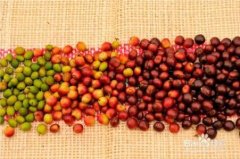
A brief introduction to the market price of fragrant and mild El Salvador Himalayan coffee varieties
The government finally realized the great role of coffee in the national economy, such as solving employment, earning foreign exchange and developing agricultural production, so it privatized some coffee export industries in 1990, hoping to increase the income rate of coffee in the export market. Salvadoran coffee ranks alongside Mexico and Guatemala as producers of Asa and Meldo, and is competing with other countries.

Introduction to the description of the Flavor of Manor varieties in El Salvador Coffee Bean
Salvadoran coffee ranks side by side with Mexico and Guatemala as the producers of Asa and Merdo, and is fighting for the top one or two places in China and the United States with other countries. The highlands of origin are large coffee beans of all sizes, which are fragrant and mild in taste. Like Guatemala and Costa Rica, coffee in El Salvador is graded according to altitude. The higher the altitude, the better the coffee.

Flavor description of Salvadoran coffee beans with balanced taste introduction of grinding scale varieties
In the early 1990s, guerrilla warfare greatly damaged the country's national economy, reducing coffee production from 3.5 million bags in the early 1970s to 2.5 million bags in 1990-1991. The eastern part of the country was most affected by guerrilla warfare, and many farmers and workers were forced to leave the manor. The shortage of funds has led to a sharp drop in coffee production, from 1200 kg per hectare in the past to today's yield per hectare

Salvadoran coffee producing areas introduce Salvadoran coffee beans
In the early 1990s, guerrilla warfare greatly damaged the country's national economy, reducing coffee production from 3.5 million bags in the early 1970s to 2.5 million bags in 1990-1991. The eastern part of the country was most affected by guerrilla warfare, and many farmers and workers were forced to leave the manor. The shortage of funds has led to a sharp drop in coffee production, from 1200 kg per hectare in the past to no yield per hectare today.

Salvadoran Coffee introduction how much Salvadoran coffee is a catty of Salvadoran coffee
In the early 1990s, guerrilla warfare greatly damaged the country's national economy, reducing coffee production from 3.5 million bags in the early 1970s to 2.5 million bags in 1990-1991. The eastern part of the country was most affected by guerrilla warfare, and many farmers and workers were forced to leave the manor. The shortage of funds has led to a sharp drop in coffee production, from 1200 kg per hectare in the past to no yield per hectare today.

Introduction to the production area of grinding scale of El Salvador Himalayan coffee beans with balanced taste
In the early 1990s, guerrilla warfare greatly damaged the country's national economy, reducing coffee production from 3.5 million bags in the early 1970s to 2.5 million bags in 1990-1991. The eastern part of the country was most affected by guerrilla warfare, and many farmers and workers were forced to leave the manor. The shortage of funds has led to a sharp drop in coffee production, from 1200 kg per hectare in the past to no yield per hectare today.
Salvadoran coffee how much is a jin of coffee beans in El Salvador? Dali
In the early 1990s, guerrilla warfare greatly damaged the country's national economy, reducing coffee production from 3.5 million bags in the early 1970s to 2.5 million bags in 1990-1991. The eastern part of the country was most affected by guerrilla warfare, and many farmers and workers were forced to leave the manor. The shortage of funds has led to a sharp drop in coffee production, from 1200 kg per hectare in the past to no yield per hectare today.

Introduction to boutique Salvadoran coffee beans Salvadoran coffee beans Characteristics of Salvadoran coffee beans
In the early 1990s, guerrilla warfare significantly disrupted the country's national economy, reducing coffee production from 3.5 million bags in the early 1970s to 2.5 million bags in 1990- 1991. The eastern part of the country was most affected by guerrilla warfare, and many farmers and workers were forced to leave their estates. The shortage of funds has led to a sharp drop in coffee production, from 1200 kilograms per hectare in the past to less than 1,000 kilograms per hectare today.

The area output of coffee in Yunnan accounts for 99% of the country.
Xinhua Yunnan Channel, April 12 (Reporter Ji Zhe Peng) the reporter learned from the Yunnan Provincial Department of Agriculture that after more than 100 years of development, Yunnan has become the largest coffee producing area in the country. In 2014, the planting area of coffee in Yunnan reached 1.87 million mu and the output was 118000 tons, accounting for more than 99% of the country's total. According to the analysis of the global coffee production and marketing situation, the coffee planting area in Yunnan is expected to reach 2.5 million by 2020.

Introduction to the fragrant and authentic Salvadoran Coffee varieties
El Salvador (ElSalvador) is one of the small countries in Central America, where coffee is light, fragrant, pure, slightly sour and characterized by excellent balance of flavor. It is a specialty of Central America. With sour, bitter, sweet and other taste characteristics, the best baking degree is moderate, deep. Salvadoran Coffee-Coffee originated in the early 1990s, guerrilla warfare greatly damaged the country's national economy.

Introduction of Ugandan coffee beans with mild climate and suitable for growing coffee
Uganda leads Africa in coffee production, accounting for more than 70% of its total exports. In the 1960s, Ugandan coffee production remained at 3.5 million bags a year. By the mid-1980s, coffee production had dropped to 2.5 million bags a year, mainly for political reasons. But now coffee production is on the rise again, currently about 3 million bags a year. Mainly exported to the European Union, including Germany and Italy
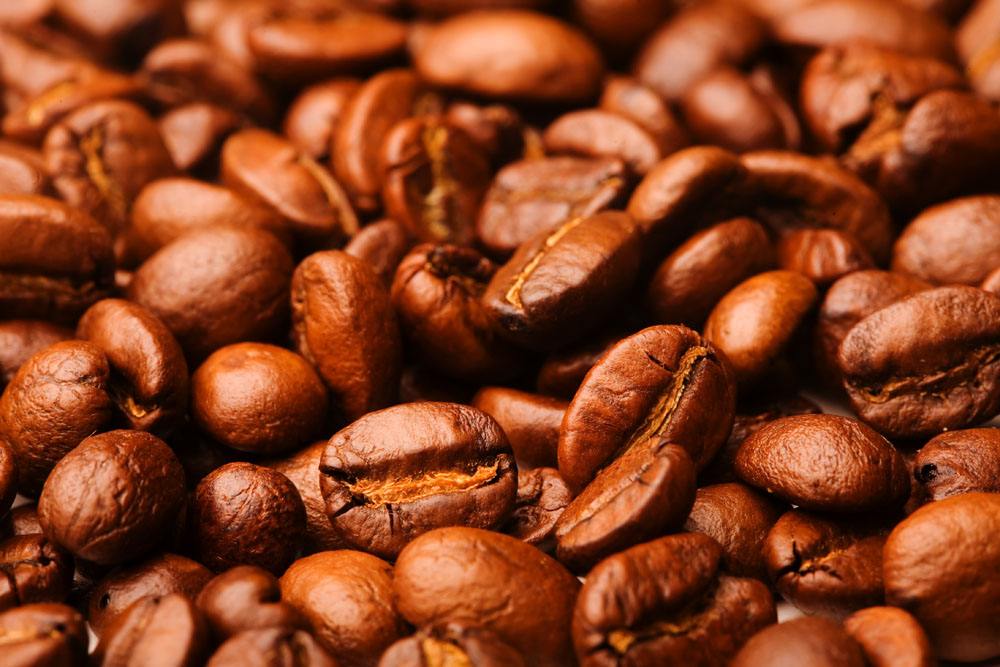
Introduction of Salvadoran coffee, Salvadoran coffee flavor
In the early 1990s, guerrilla warfare greatly damaged the country's national economy, reducing coffee production from 3.5 million bags in the early 1970s to 2.5 million bags in 1990-1991. The eastern part of the country was most affected by guerrilla warfare, and many farmers and workers were forced to leave the manor. The shortage of funds has led to a sharp drop in coffee production, from 1200 kg per hectare in the past to no yield per hectare today.

Introduction of pure, slightly sour El Mercedes Manor Coffee Grinding degree, taste and flavor varieties
In the early 1990s, guerrilla warfare greatly damaged the country's national economy, reducing coffee production from 3.5 million bags in the early 1970s to 2.5 million bags in 1990-1991. The eastern part of the country was most affected by guerrilla warfare, and many farmers and workers were forced to leave the manor. The shortage of funds has led to a sharp drop in coffee production, from 1200 kg per hectare in the past to today's yield per hectare
Yunnan coffee planting area and output account for 99% of China's coffee industry needs to be improved
Xinhua Yunnan Channel April 12 (Reporter Ji Zhepeng) The reporter learned from the Agriculture Department of Yunnan Province that after more than 100 years of development, Yunnan has become the largest coffee producing area in China. In 2014, Yunnan coffee planting area reached 1.87 million mu and output reached 118,000 tons, accounting for more than 99% of the country. According to the analysis of global coffee production and marketing situation, Yunnan coffee planting area is expected to reach 2.5 million by 2020.

Introduction to the varieties of El Salvador hand-made Coffee Flavor description Grinding scale
In the early 1990s, guerrilla warfare greatly damaged the country's national economy, resulting in a decline in coffee production from 3.5 million bags in the early 1970s to 2.5 million bags in 1990 and 1991. The eastern part of the country was most affected by guerrilla warfare, and many farmers and workers were forced to leave the manor. The shortage of funds has led to a sharp drop in coffee production.

Introduction to the treatment method of El Salvador Black Honey treatment Coffee Bean Price planting Environment Cooperative
Introduction to the cooperative treatment method of the price of coffee beans treated with black honey in El Salvador in the early 1990s, guerrilla warfare greatly damaged the country's national economy, reducing coffee production from 3.5 million bags in the early 1970s to 2.5 million bags in 1990 and 1991. The eastern part of the country was most affected by guerrilla warfare, and many farmers and workers were forced to leave the manor. The shortage of funds caused a sharp drop in coffee production.

Sumatran Coffee Flavor description Taste Variety characteristics of production area treatment manor introduction
Sumatran Coffee Flavor description characteristics of Sumatran Coffee production area treatment Manor has a strong taste, with a strong mellow and rich and lively sense of movement, not astringent but not sour, mellow and bitter can be fully revealed. The appearance of Mantenin coffee beans is arguably the ugliest, but coffee fans say that the worse the Sumatran coffee beans are, the better, mellow and slippery they are. Except